How Peptide‑Infused Shampoos Work and Key Benefits
Peptide‑infused shampoos aim to support scalp health and hair strength during regular washing. They rely on small bioactive ingredients that interact with the scalp, hair follicles, and hair fibers over time.
What Are Peptides and Their Role in Hair Health
Peptides are short chains of amino acids, the same building blocks that form proteins like keratin and collagen. Unlike full proteins, peptides are small enough to interact with the scalp surface and upper follicle area.
In hair care, peptides act as signals. They help guide normal repair and renewal processes linked to the hair cycle. Research in cosmetic science shows that certain hair growth peptides support collagen production and hair fiber structure when used consistently, including in wash‑off products like shampoos.
Some shampoos use well‑studied peptides such as copper peptides or biotin‑linked peptides. These ingredients appear often in discussions of peptides in haircare and how they work.
How Peptides Affect the Hair Follicle and Scalp
The hair follicle depends on a stable scalp environment to function well. Peptides help by supporting scalp health, not by forcing new growth. They act in gentle, supportive ways.
Key actions linked to peptides include:
- Supporting blood circulation around hair follicles
- Helping reduce oxidative stress on the scalp
- Offering mild anti-inflammatory effects
Some peptides, such as copper tripeptides, have a history in skin repair research. Clinical reviews describe how they help improve follicle conditions and anchoring, as discussed in research on peptides and hair growth mechanisms.
These effects matter most when shampoos are used often, since contact time is short.
Benefits for Hair Growth, Thickness, and Density
Peptide shampoos do not change hormones or override genetics. Their benefits focus on improving the conditions that support healthy hair appearance.
Reported benefits include:
Hair concern | How peptides may help |
|---|
Hair thinning | Support follicle anchoring and reduce excess shedding |
Weak strands | Reinforce keratin structure for better hair strength |
Flat hair | Improve the look of hair density over time |
Breakage | Support smoother cuticles and resilience |
Small clinical studies show improvements in thickness and density with topical peptides, especially when used daily. These effects align with findings described in studies on stronger hair through peptide use.
Peptide Shampoos Versus Traditional Hair Care Products
Traditional shampoos focus on cleansing, conditioning, and surface repair. They rely on surfactants, silicones, and basic proteins to smooth hair quickly.
Peptide‑infused shampoos add a different layer of care. They aim to support the scalp and hair follicles while still cleaning the hair. Compared with standard formulas, peptide shampoos tend to:
- Focus more on long‑term hair strength
- Support collagen and keratin pathways instead of coating hair
- Work best with steady, repeated use
Industry overviews explain why peptides appear more often in modern formulas, especially when choosing shampoos with peptides.
They fit best into routines focused on gradual improvement, not quick cosmetic fixes.
Choosing and Using Peptide‑Infused Shampoos Effectively
Peptide‑infused shampoos work best when shoppers match ingredients to scalp needs and use them with the right routine. Results depend on peptide type, supporting ingredients, hair type, and consistent use alongside other hair growth products.
Best Peptides and Supporting Ingredients to Look For
Effective formulas focus on peptides that support the scalp and hair shaft, not just shine. Copper peptides, especially GHK‑Cu, link to scalp repair signals and reduced inflammation. Some research connects these peptides to pathways tied to vascular endothelial growth factor, which supports blood flow around follicles.
Biotin peptides and collagen peptides support keratin production and hair elasticity. They help reduce hair breakage, split ends, and weak texture. Shampoos also work better with calming and supportive ingredients.
Helpful additions include:
- Aloe vera to reduce scalp irritation
- Argan oil to limit dryness and protect color‑treated hair
- Caffeine to support follicle activity
- Saw palmetto, often used as a mild DHT blocker
Avoid harsh cleansers. A sulfate‑free shampoo without parabens lowers the risk of scalp inflammation. Detailed ingredient comparisons appear in this science‑backed guide to peptides and shampoos.
Who Should Use Peptide‑Infused Shampoos
These shampoos suit people who want stronger hair with less breakage and better texture. They help those with thinning hair linked to stress, postpartum hair loss, or environmental factors like heat and pollution.
People with early pattern baldness may use peptide shampoos as support, not as a replacement for medical hair loss treatments like minoxidil. Shampoos do not stop advanced hair loss on their own.
They also fit users with sensitive scalps who react to strong actives. Gentle peptide formulas can calm inflammation while improving the look of fullness. People with color‑treated hair benefit from milder cleansing that protects the cuticle.
Those with severe shedding from hormonal imbalances should manage expectations. Shampoos help scalp comfort and confidence, but they do not correct internal causes.
How to Incorporate Into a Hair Care Routine
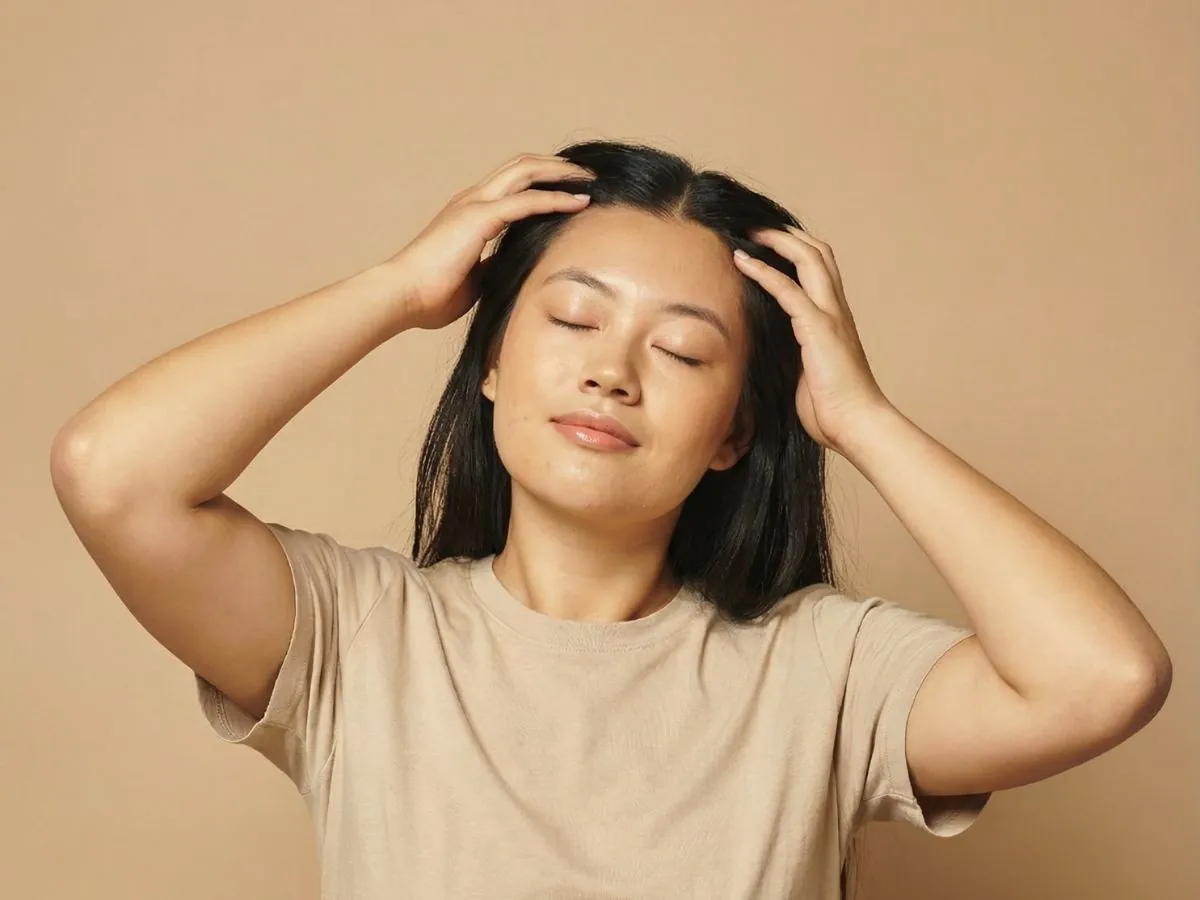
Use peptide‑infused shampoo three to four times per week. Massage it into the scalp for 60 seconds to support absorption and circulation. Rinse well to avoid residue on the hair shaft.
Pair the shampoo with lightweight conditioners that focus on moisture, not heavy coating. For added support, apply a peptide serum to the scalp after washing. Serums stay on longer and deliver higher concentrations than shampoos.
People using minoxidil should apply it to a clean, dry scalp after washing. Avoid stacking too many actives on the same day if irritation appears.
A simple routine works best. Consistent washing, gentle scalp massage, and reduced heat styling protect hair texture and limit breakage. Clear routine guidance appears in this overview of how peptides fit into daily shampoo use.
.avif&w=256&q=75)