Key Takeaways
- PCOS causes hair loss through elevated androgen hormones that damage hair follicles and slow growth
- Effective treatment combines medical therapies with scalp care and lifestyle adjustments for best results
- Early detection and professional consultation help prevent further thinning and support regrowth
Polycystic Ovary Syndrome affects approximately 4.5 million Filipino women, with hair loss being one of the most distressing symptoms caused by hormonal imbalances that disrupt normal hair growth cycles.
How PCOS Causes Hair Loss
PCOS creates a chain reaction that damages hair follicles and disrupts healthy growth. The condition triggers hormonal imbalances that elevate androgen levels in the body. These elevated hormones interfere with the hair growth cycle, pushing more follicles into a resting phase.
Hair loss in PCOS differs from typical shedding because it stems from systemic hormonal issues rather than external factors. The condition affects not just the ovaries but creates widespread effects throughout the body's endocrine system.
Women with Polycystic Ovary Syndrome experience miniaturization of hair follicles over time. This means the follicles gradually shrink and produce thinner, weaker strands that eventually stop growing altogether.
Androgens and Their Role in Hair Thinning
Testosterone and other androgens play a central role in PCOS-related hair loss. When androgen levels rise above normal ranges, the body converts excess testosterone into DHT (dihydrotestosterone).
DHT attaches to receptors in scalp hair follicles and causes them to shrink. This process leads to androgenetic alopecia, which manifests as progressive thinning similar to male pattern baldness.
Hormone | Effect on Hair | Result |
|---|
Testosterone | Converts to DHT | Follicle miniaturization |
DHT | Binds to follicle receptors | Shortened growth phase |
Excess Androgens | Disrupts hair cycle | Female pattern hair loss |
The same hormones that cause scalp hair loss can trigger hirsutism, or excess hair growth on the face, chest, and back. This contradictory effect happens because facial hair follicles respond differently to androgens than scalp follicles.
Common Symptoms: Hair Loss Patterns and Associated Signs
PCOS hair loss typically appears as thinning at the crown and along the hairline. Women notice their part widening and increased visibility of the scalp through their hair.
The pattern resembles female pattern hair loss, with gradual thinning rather than bald patches. Hair may also feel finer in texture and break more easily than before.
Other PCOS symptoms frequently accompany hair loss:
- Irregular periods or absent menstrual cycles
- Acne on the face, chest, and back
- Weight gain, especially around the midsection
- Scalp inflammation and increased oiliness
- Persistent hair shedding when brushing or washing
Women often experience increased hair shedding during shampooing or styling. The combination of thinning and shedding creates noticeable changes in hair volume and density over months or years.
Why Early Diagnosis and Treatment Are Crucial
Starting treatment early can prevent permanent follicle damage and preserve existing hair. Once follicles become fully miniaturized, reversing the process becomes significantly more difficult.
Filipino women with PCOS who seek diagnosis and treatment promptly have better outcomes for hair regrowth. Early intervention addresses hormonal imbalances before they cause extensive follicle damage.
Untreated PCOS-related hair loss progresses over time, leading to more widespread thinning. The condition also carries long-term health risks beyond hair loss, including diabetes, heart disease, and fertility issues.
Consulting a trichologist or healthcare provider allows for proper evaluation of both hair and hormonal health. Professional assessment identifies the specific type of hair loss and determines whether PCOS or other factors contribute to thinning.
Comprehensive Treatment Options for PCOS Hair Loss
Treating PCOS-related hair loss requires addressing both hormonal imbalances and scalp health through medical therapies, lifestyle changes, and advanced procedures. The most effective approach combines multiple strategies tailored to individual needs.
Medical Therapies: Topical and Oral Treatments
Topical minoxidil is the most widely recommended first-line treatment for PCOS hair loss. Available as a 2% or 5% minoxidil solution, this medication helps stimulate hair follicles and extend the growth phase of hair. Women typically apply it directly to the scalp twice daily.
Rogaine is the most recognized brand, though generic versions like Oxidil offer similar effectiveness at lower costs. Results usually become visible after 3-6 months of consistent use.
Topical spironolactone offers an alternative for women who cannot tolerate oral medications. This formulation delivers anti-androgen effects directly to the scalp with fewer systemic side effects. Some women combine both topical minoxidil and topical spironolactone for enhanced results.
Treatment Type | Application | Time to Results |
|---|
Minoxidil 5% | Twice daily | 3-6 months |
Topical Spironolactone | Once or twice daily | 4-6 months |
Combined Therapy | As prescribed | 3-6 months |
Hormonal Management and Anti-Androgen Medications
Anti-androgen medications target the root cause of PCOS hair loss by blocking or reducing androgen hormones. Spironolactone is the most commonly prescribed anti-androgen medication for Filipino women with PCOS. It blocks testosterone receptors and reduces the conversion of testosterone to DHT, the hormone that damages hair follicles.
Birth control pills help regulate hormones and reduce androgen levels. Hormonal contraceptives containing anti-androgenic progestins work particularly well for managing both PCOS symptoms and hair loss.
Finasteride and dutasteride are prescription medications that block DHT production. While effective, these options require careful monitoring by an endocrinologist or reproductive endocrinologist, especially for women of childbearing age. An ob-gyn can help determine which hormonal approach best fits individual health needs and family planning goals.
Lifestyle Modifications for Hair Regrowth
Managing stress, maintaining a balanced diet, and practicing gentle hair care support medical treatments. Women should switch to sulfate-free shampoos that don't strip natural oils or irritate the scalp.
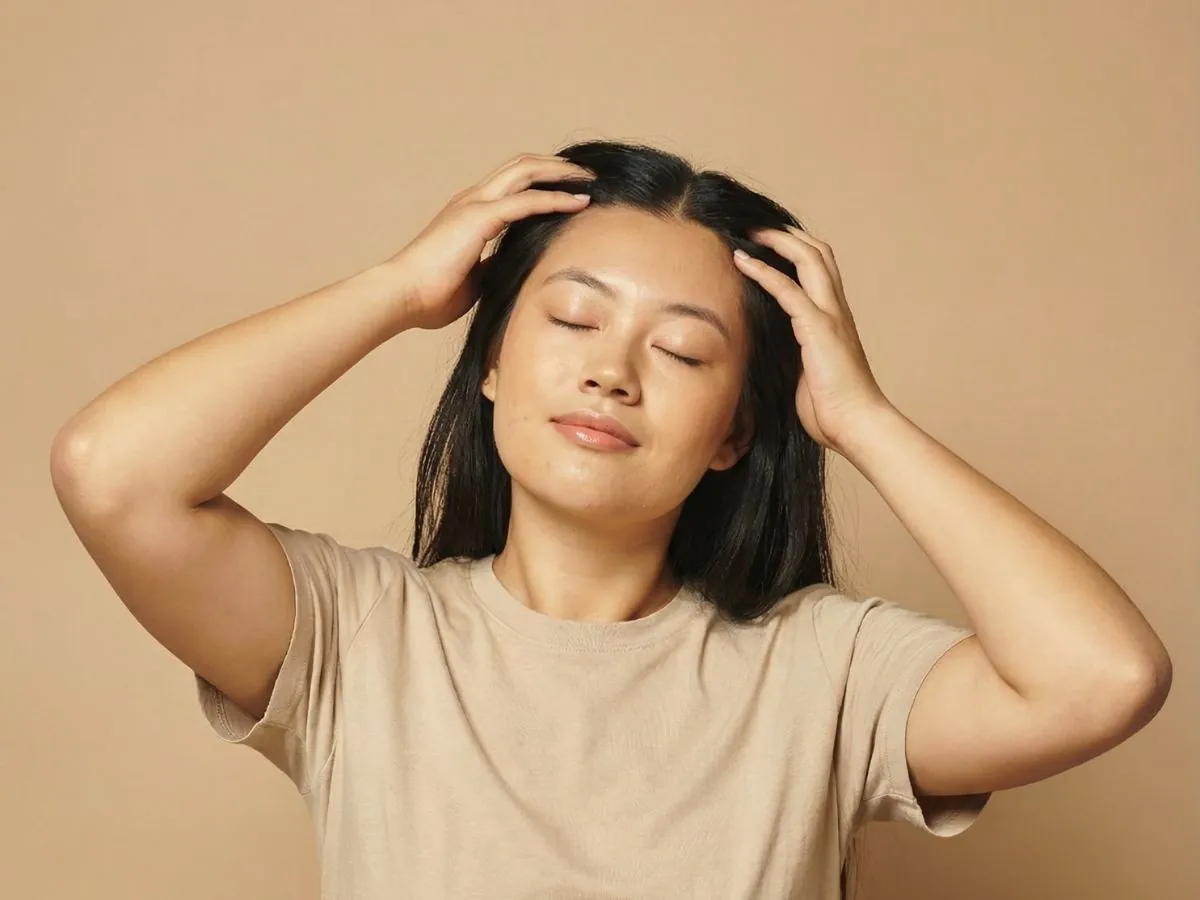
Scalp massage for 5-10 minutes daily increases blood flow to hair follicles. This simple practice costs nothing and can enhance the effectiveness of topical treatments.
Weight management through regular exercise and a low-glycemic diet helps reduce insulin resistance common in PCOS. Lower insulin levels can decrease androgen production, which slows hair loss. Adequate protein intake, iron, vitamin D, and biotin support healthy hair growth from within.
Advanced and Procedural Solutions
Platelet-rich plasma (PRP) therapy involves drawing a patient's blood, concentrating the platelets, and injecting the PRP into the scalp. A dermatologist or trichologist performs this procedure, which stimulates dormant follicles through growth factors. Most women need 3-4 initial sessions spaced one month apart.
Low-level laser therapy (LLLT) uses red light wavelengths to energize hair follicles at the cellular level. Women can receive laser therapy in clinical settings or use FDA-cleared at-home devices. Studies show LLLT improves hair density when used consistently over several months.
While waiting for treatments to work or for cases of advanced thinning, hair toppers and wigs provide immediate cosmetic solutions. Modern options look natural and allow women to maintain confidence during their regrowth journey. A trichologist can recommend appropriate styling solutions that won't damage existing hair.
.avif&w=256&q=75)