Key Takeaways
- Hair loss often comes from androgenetic alopecia and needs long-term treatment.
- Minoxidil and finasteride work in different ways and serve different needs.
- The best option depends on hair loss pattern, safety, and availability in the Philippines.
Minoxidil vs Finasteride: Effectiveness, Safety, and Suitability
Minoxidil and finasteride treat hair loss in different ways. One focuses on hair regrowth at the scalp, while the other slows hair thinning by changing hormone activity. Understanding how each option works helps people choose the right treatment for androgenetic alopecia.
How Minoxidil Works for Hair Regrowth
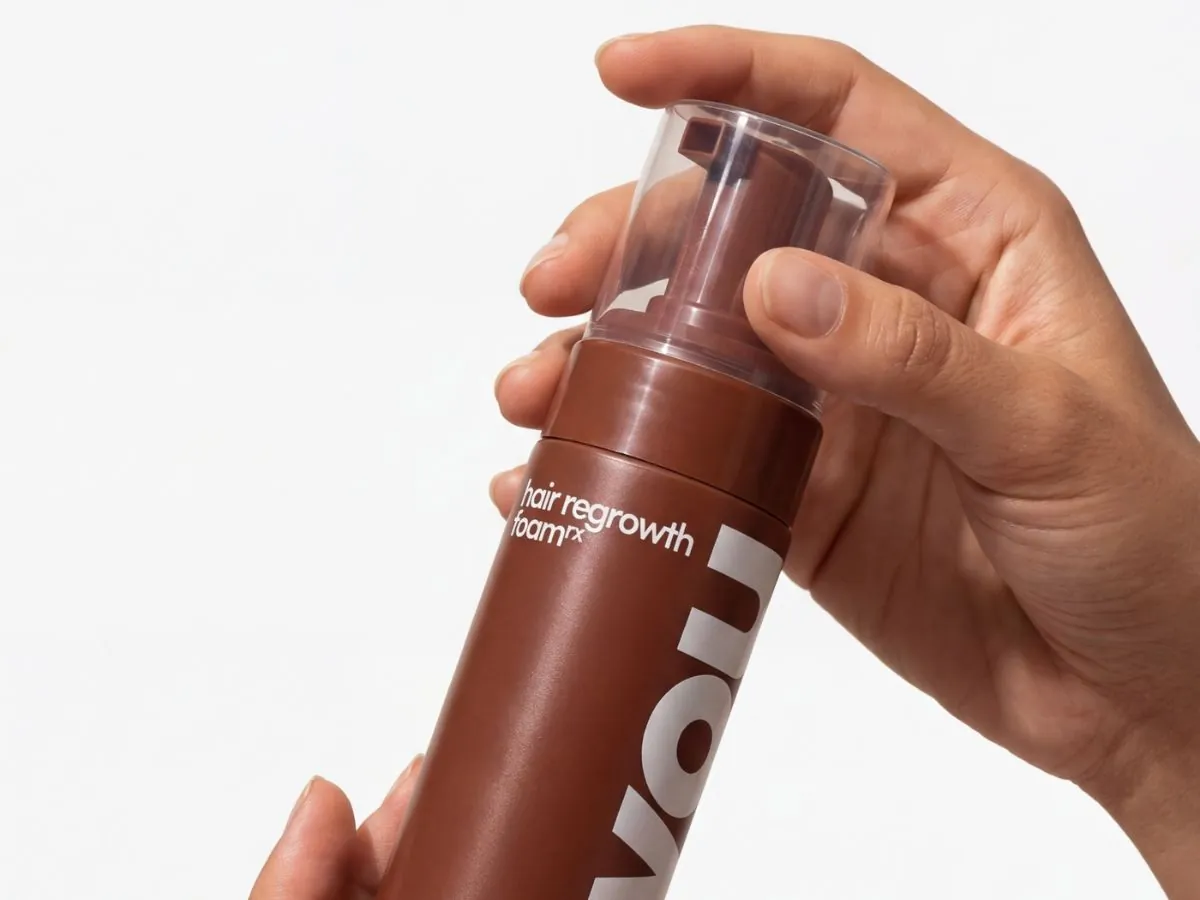
Minoxidil is a topical treatment that people apply directly to the scalp. Common forms include minoxidil solution , foam, and minoxidil 5%, often sold under brands like Rogaine or as generic minoxidil. Some doctors also prescribe oral minoxidil or minoxidil tablets at low doses.
Minoxidil works by improving blood flow around hair follicles. This support helps follicles stay in the growth phase longer. As a result, some users see improved hair density and thicker strands.
It works best on crown thinning and early pattern baldness. Results usually appear after 3 to 6 months of daily use. Hair regrowth slows or stops if treatment ends, according to clinical comparisons like those explained in minoxidil vs finasteride differences.
How Finasteride Works to Prevent Hair Loss
Finasteride treats hair loss by changing hormone activity. It blocks 5-alpha reductase, the enzyme that converts testosterone to dihydrotestosterone (DHT). DHT shrinks hair follicles in male pattern baldness and other forms of androgenetic alopecia.
Doctors prescribe finasteride as a finasteride tablet, often 1 mg daily. It is sold as Propecia or generic finasteride. This 5α-reductase inhibitor lowers scalp DHT levels and helps protect existing hair.
Finasteride works well for receding hairlines and thinning at the crown. Studies summarized in clinical comparisons of finasteride and minoxidil show reduced hair thinning within 3 to 6 months. Hair loss often returns after stopping oral finasteride.
Comparing Results: Hair Regrowth and Hair Thinning
Minoxidil and finasteride target different stages of hair loss. Minoxidil focuses on hair regrowth, while finasteride focuses on stopping further hair thinning.
Key differences in results:
Feature | Minoxidil | Finasteride |
|---|
Main effect | Stimulates regrowth | Prevents hair loss |
Best for | Crown thinning | Receding hairline |
Form | Topical, oral | Oral only |
DHT effect | None | Strong reduction |
Many doctors suggest using both together. Combination therapy often improves outcomes, as noted in reviews like using minoxidil and finasteride together. Each drug supports the other without overlapping actions.
Side Effects and Safety of Minoxidil and Finasteride
Minoxidil side effects usually affect the scalp. Common issues include scalp irritation, dryness, and temporary shedding. These effects often improve with continued use. Oral minoxidil may cause swelling or fast heartbeat in rare cases, so doctors monitor dosing.
Finasteride side effects relate to hormones. A small number of users report decreased libido, erectile dysfunction, or other sexual side effects. Some also report mood changes or rare breast tenderness. Finasteride is also used at higher doses for BPH, which helps explain its hormone effects.
Doctors advise weighing the side effects of minoxidil and finasteride against expected benefits. Regular follow-up improves safety for long-term use.
Choosing the Best Hair Loss Treatment in the Philippines
Selecting the right hair loss treatment depends on the type of hair loss, treatment goals, and access to medical care. Minoxidil and finasteride address different causes of hair thinning and often work best when matched to specific patterns and needs.
Minoxidil vs Finasteride for Different Types of Hair Loss
Minoxidil and finasteride treat hair loss in different ways. Minoxidil works on the scalp to promote hair growth by extending the growth phase of hair follicles. Finasteride works inside the body to stop hair loss by lowering DHT levels.
Treatment fit by condition:
Hair loss type | Minoxidil | Finasteride |
|---|
Male pattern hair loss | Helpful for crown thinning | Effective for hairline and crown |
Female pattern hair loss | Common first option | Not typically prescribed |
Alopecia areata | Limited benefit | Not effective |
Minoxidil suits people who want a topical option and prefer not to take pills. Finasteride fits adult men with ongoing thinning who want to slow or stop further loss. A detailed comparison appears in this guide on minoxidil vs finasteride in the Philippines.
Combination Therapy: Using Both Treatments Together
Doctors often recommend finasteride and minoxidil together for male hair loss. Each targets a different cause, which can improve hair regrowth and reduce further thinning.
Minoxidil stimulates follicles directly when users apply minoxidil to the scalp once or twice daily. Finasteride reduces the hormone that causes follicles to shrink. This approach supports both growth and preservation.
Common combination plan:
- Minoxidil topical solution or foam for daily scalp use
- Finasteride 1 mg tablet taken once daily
- Long-term use to maintain results
Combination therapy requires consistency. Stopping either treatment often leads to gradual hair loss again within months.
Consulting Hair Loss Specialists and Accessing Treatment in the Philippines
Hair loss specialists help confirm the cause of thinning and select safe hair loss medications. This step matters for mixed cases, sudden shedding, or suspected medical causes.
In the Philippines, minoxidil is widely available without a prescription. Finasteride requires a doctor’s approval. Many clinics now offer telehealth visits, which allow patients to consult licensed doctors online and receive prescriptions when appropriate.
Some platforms also provide follow-up care and treatment delivery. An overview of treatment selection and doctor guidance appears in this article on choosing the best hair loss treatment in the Philippines.
Medical advice helps reduce risks and improves long-term results.