Key Benefits of Meal Prepping for Busy Professionals
Meal prepping helps professionals manage time, improve eating habits, control food costs, and reduce daily stress. It supports steady routines that fit long work hours and changing schedules.
Time Management and Efficiency
Meal prep saves time during the workweek by moving cooking tasks to one planned block. Professionals can prepare several prepared meals at once instead of cooking each day. This approach cuts daily kitchen time and limits last‑minute food choices.
Planning meals also reduces decision fatigue. A set menu removes the need to think about food during busy hours. According to benefits of meal planning for busy professionals, structured meal routines support better performance at work and home.
Common time-saving actions include:
- Cooking in batches
- Pre‑cutting ingredients
- Using labeled containers for quick access
Support for Healthy Eating and Nutrition
Meal prepping supports healthy eating habits by placing balanced meals within easy reach. When nutritious meals are ready, professionals rely less on fast food or vending options. This consistency supports a balanced diet even during demanding weeks.
Portion control plays a key role. Pre‑measured servings help match calorie needs and support dietary goals without tracking every meal. The purpose of meal prep centers on simplifying nutrition while keeping meals consistent, as explained in this guide on the purpose of meal prepping.
Healthy meal prepping often focuses on:
- Lean proteins and vegetables
- Whole grains for steady energy
- Simple recipes that repeat well
Achieving Cost-Effectiveness
Meal prep helps control food spending by reducing impulse purchases. Buying ingredients in bulk costs less than daily takeout. Planned meals also reduce food waste because ingredients get used on schedule.
Professionals who plan meals tend to stick to a shopping list. This habit avoids extras and lowers weekly grocery bills. Many find that meal prep for professionals balances quality food with predictable costs. Articles on meal prep mastery for busy professionals note that budgeting improves when meals follow a set plan.
Cost benefits often come from:
- Fewer restaurant meals
- Better use of leftovers
- Repeat use of staple foods
Work-Life Balance and Stress Reduction
Meal prepping supports work-life balance by removing daily food pressure. Knowing that meals are ready lowers stress after long workdays. This structure creates smoother evenings and more personal time.
Stress reduction also comes from routine. A weekly meal plan reduces uncertainty and limits rushed decisions. Consistent meal prep habits support both health and focus. Guides on how meal prepping can improve health and save time show that prepared meals add calm to busy schedules.
Professionals often report:
- Less evening stress
- More time for rest or family
- Greater control over daily routines
Practical Strategies and Essentials for Effective Meal Prep
Busy professionals benefit most from clear plans, repeatable habits, and the right tools. Smart choices around planning, cooking, storage, and shopping reduce daily stress and support steady, healthy meals.
Meal Planning and Batch Cooking Techniques
Effective meal planning starts with a simple weekly meal plan that matches work hours and energy levels. Many professionals plan 3–4 core meals and repeat them to save time. This approach supports steady meal preparation without daily decisions, a benefit noted in this meal prep guide from Harvard.
Batch cooking works best with flexible foods that mix well across meals. Whole grains like quinoa, brown rice, and farro store well and reheat evenly. Roasted vegetables, beans, and lean proteins fit into bowls, wraps, or salads.
Batch cooking basics
- Cook grains and proteins once or twice per week
- Use one-pot meals to limit cleanup
- Freeze half of each batch to create freezer-friendly meals
Selecting Recipes and Building a Meal Prep Routine
A steady meal prep routine relies on simple recipes with few steps and short cook times. Foods like overnight oats, egg muffins, and grain bowls require little effort and hold well for several days.
Many professionals use theme nights to stay consistent without boredom. Examples include Meatless Monday or Taco Tuesday . This structure speeds up decisions and keeps the meal prep plan realistic.
Routine-building tips
- Prep on the same day each week
- Use a blender for quick sauces or smoothies
- Limit new recipes to one per week
Studies summarized in Everyday Health’s review of meal prepping benefits link this consistency to better food choices and less reliance on takeout.
Choosing Containers and Storage Solutions
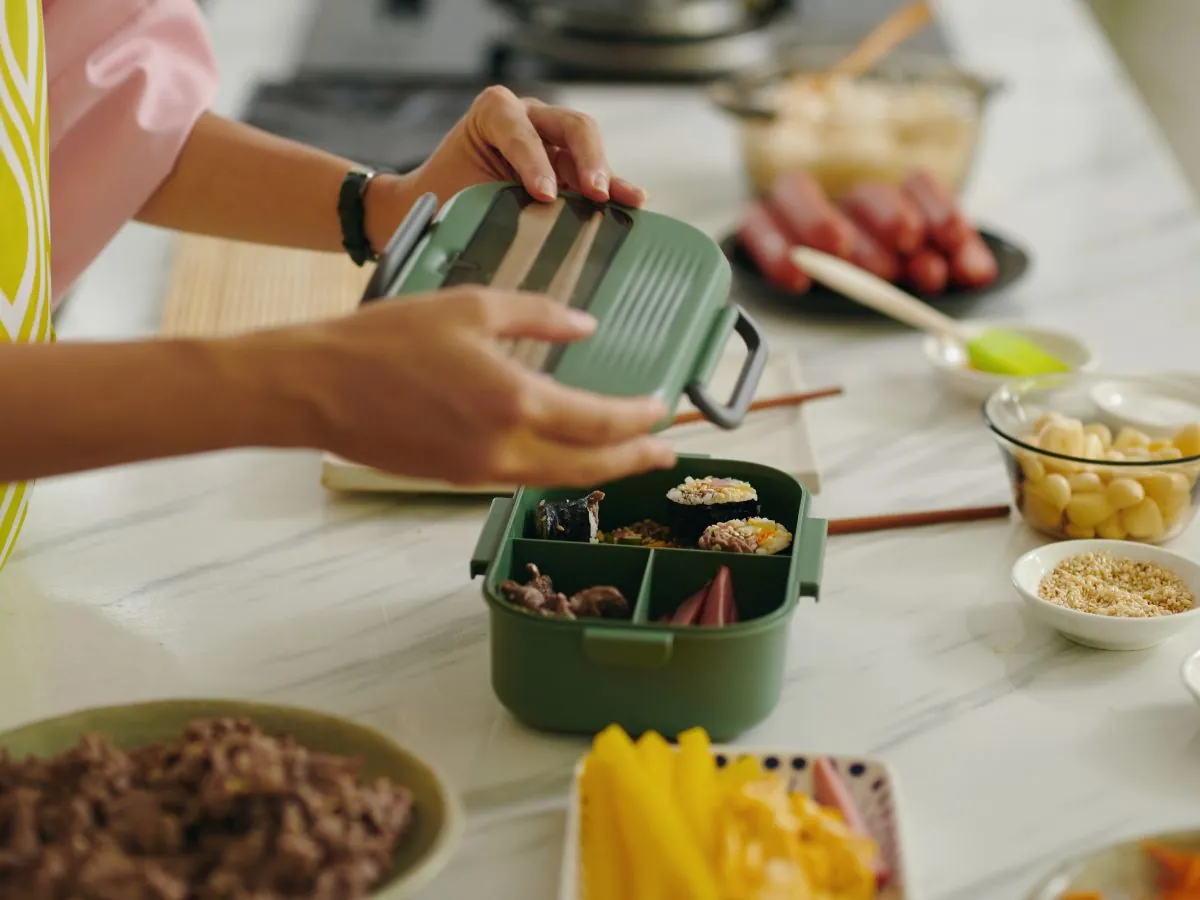
The right containers protect food quality and control portions. Microwave-safe containers allow quick reheating at work. Airtight containers keep meals fresh longer, especially for grains and roasted vegetables.
Container types and uses
Container Type | Best Use |
|---|
Portion control containers | Balanced meals and calorie control |
Airtight containers | Sauces, grains, chopped produce |
Freezer-safe containers | Soups and one-pot meals |
Glass containers last longer and resist stains. Stackable shapes save fridge space and support a smoother daily routine.
A clear shopping list tied to the weekly plan supports efficient grocery shopping and helps prevent food waste. Buying only what fits planned meals reduces unused items.
Buying staples in bulk lowers cost and prep time. Whole grains, chia seeds, and frozen vegetables store well. Fresh items work best when chosen as seasonal produce or seasonal ingredients, which tend to cost less and taste better.
Waste-reducing habits
- Repurpose leftovers into grain bowls or wraps
- Freeze extras before spoilage
- Track what remains before shopping again
This system keeps meals consistent, affordable, and practical for busy schedules.
.avif&w=256&q=75)