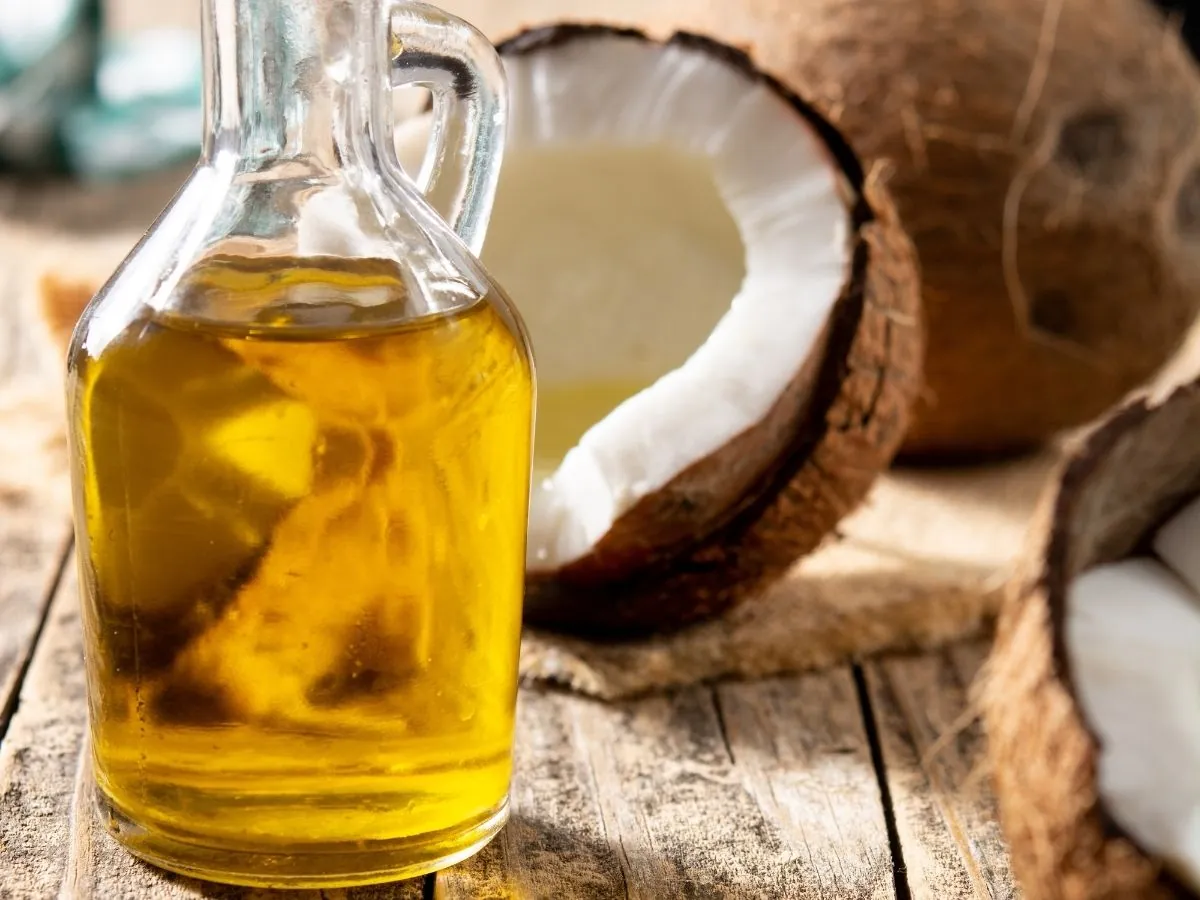
Sunflower Oil vs Coconut Oil: Which Is Better for Hair?
Both oils deliver impressive results, but they work in different ways. Sunflower oil provides lightweight moisture perfect for daily use, while coconut oil penetrates deeply to repair damaged strands.
How Does Each Oil Benefit the Hair?
Sunflower oil brings powerful benefits of sunflower oil for hair through its high vitamin E content and linoleic acid. It moisturizes without weighing hair down and helps smooth frizz while sealing split ends. The oil supports scalp circulation and may reduce inflammation, making it ideal for maintaining healthy hair.
Coconut oil offers different advantages with its rich lauric acid content. It reduces protein loss in damaged hair and strengthens chemically treated strands. The oil fights fungal buildup that causes dandruff and adds natural shine. Its antimicrobial properties help keep the scalp healthy while deeply conditioning dry, brittle hair.
Key Differences in Texture and Absorption
The differences between sunflower oil and coconut oil become clear when comparing how they feel and absorb. Sunflower oil has a light, non-greasy texture that absorbs quickly at the surface level. It won't leave hair feeling heavy or oily, making it perfect for leave-in treatments.
Coconut oil has a thicker consistency and penetrates deep into the hair shaft. While this provides intensive repair, it can feel heavy on fine hair. The oil may require thorough shampooing to remove completely.
Absorption Comparison:
- Sunflower oil: Surface-level, quick absorption
- Coconut oil: Deep penetration into hair shaft
Best Oil for Your Hair Type and Hair Goals
Choosing between coconut and sunflower oil depends on specific hair needs and texture. Fine or oily hair types benefit most from sunflower oil's lightweight formula. People with low-porosity hair should reach for sunflower oil since it won't cause buildup.
Thick, dry, or curly hair thrives with coconut oil's intensive moisture. High-porosity hair soaks up coconut oil's deep conditioning properties. Anyone dealing with heat damage or chemical treatments will see better results from coconut oil's protein-preserving abilities.
For frizz control and reducing hair breakage, both oils work but in different scenarios. Sunflower oil tames flyaways during humid weather without added weight. Coconut oil tackles severe frizz in thick, coarse hair while strengthening weak strands prone to breakage.
How to Use Sunflower Oil and Coconut Oil in Your Hair Care Routine
Both oils work differently depending on how you apply them. Sunflower oil shines as a lightweight daily treatment, while coconut oil delivers intensive repair through deeper penetration.
Deep Conditioning and Hair Masks
Creating a deep conditioning mask with coconut oil can transform damaged strands. She should warm 2-3 tablespoons of coconut oil between her palms and work it through from mid-length to ends. The oil needs at least 30 minutes to penetrate, though overnight treatments deliver even better results for severely dry hair.
For sunflower oil masks, the approach differs slightly. He can apply the oil directly to damp hair without warming it first. Mix 1 tablespoon of sunflower oil with a beaten egg or honey for extra protein and moisture. This lighter formula works well for fine hair that gets weighed down easily.
Application Tips:
- Always focus on the ends first, where damage accumulates
- Use a shower cap to trap heat and boost absorption
- Shampoo twice to remove all residue
- Apply masks 1-2 times per week for best results
Pre-Shampoo and Leave-In Applications
A pre-shampoo treatment with coconut oil protects hair during washing. They can massage the oil into dry hair 15-20 minutes before showering. This creates a barrier that prevents protein loss from shampoo and hot water.
Sunflower oil excels as a leave-in styling product. She only needs 2-3 drops rubbed between her palms and smoothed over damp hair. It tames frizz without the heavy feel coconut oil can leave behind. Never apply coconut oil before heat styling, as it can actually burn onto the hair shaft and cause damage.
For scalp health, he can massage either oil into the roots using circular motions. This boosts blood flow and helps with dryness or flaking.
Combining Oils: Avocado and Grapeseed for Maximum Benefits
Mixing different oils creates custom blends for specific needs. Avocado oil adds fatty acids that strengthen hair, while grapeseed oil brings antioxidants without heaviness. A balanced mix might include 2 tablespoons coconut oil, 1 tablespoon avocado oil, and 1 teaspoon grapeseed oil.
She can also layer sunflower and coconut oil on alternating days. Use sunflower oil after washing for daily shine, then apply coconut oil as a weekly repair treatment. This gives her hair both lightweight moisture and deep conditioning benefits.
Simple Blend Recipe:
- 3 parts sunflower oil
- 2 parts coconut oil
- 1 part avocado oil
Optional: 5 drops grapeseed oil for extra antioxidants
Start with small amounts when testing new combinations. He should track how his hair responds over 2-3 weeks before adjusting the ratios.
.avif&w=256&q=75)