Essential Weight Loss Strategies With Rice in the Filipino Diet
Filipinos can achieve weight loss goals while keeping rice as part of their daily meals by focusing on three core approaches: managing calorie intake through proper portions, choosing nutrient-dense rice varieties, and building balanced meals with complementary Filipino foods.
Understanding Caloric Balance and Portion Control
Weight loss happens when the body burns more calories than it consumes. This calorie deficit is the foundation of any successful weight loss plan, regardless of whether rice is included in meals.
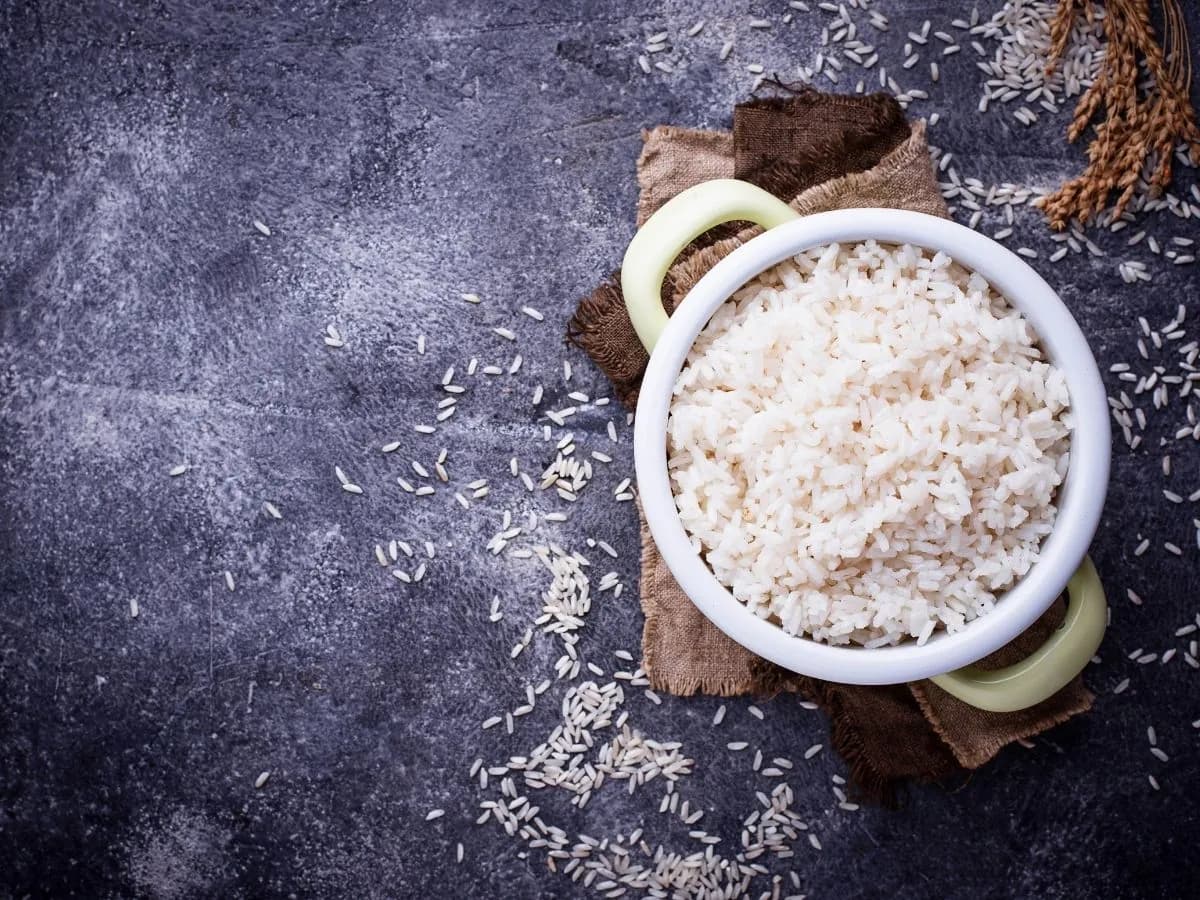
The average serving of cooked white rice should be about 1/2 to 1 cup per meal. Many Filipinos eat two to three times this amount without realizing it. Using smaller plates or measuring cups helps establish awareness of actual portions consumed.
Controlling rice portions remains one of the most practical strategies for creating a calorie deficit. A cup of cooked white rice contains approximately 200 calories. When someone reduces their intake from three cups to one cup per meal, they eliminate 400 calories without completely removing rice from their diet.
Practical portion control methods include:
- Using a rice bowl instead of a dinner plate
- Filling half the plate with vegetables before adding rice
- Measuring rice portions during meal prep
- Eating rice only at breakfast and lunch while having more vegetables at dinner
Incorporating Nutritious Types of Rice: Brown, Red, and Black
Different rice varieties offer varying nutritional benefits that support weight loss efforts. Whole grain options provide more fiber and nutrients compared to white rice.
Brown rice contains the bran and germ layers that white rice loses during processing. These layers provide fiber that slows digestion and helps maintain stable blood sugar levels. Red and black rice varieties contain antioxidants called anthocyanins along with higher fiber content.
Meal plans ranging from 1,600 to 1,800 calories can accommodate these healthier rice choices while supporting daily activities and weight management. The increased fiber in whole grain rice varieties helps people feel full longer, which naturally reduces overall calorie intake throughout the day.
Nutritional comparison per cooked cup:
Rice Type | Calories | Fiber | Protein |
|---|
White Rice | 200 | 0.6g | 4g |
Brown Rice | 215 | 3.5g | 5g |
Red Rice | 210 | 4g | 5g |
Black Rice | 180 | 3g | 5g |
Smart Meal Planning and Filipino Food Pairings for Weight Loss
Building balanced meals around rice requires pairing it with protein, vegetables, and healthy fats. These combinations slow down digestion and prevent the blood sugar spikes that trigger hunger and cravings.
Filipino-friendly meal planning keeps favorite dishes in rotation while adjusting portions and cooking methods. Instead of fried rice with tocino, a weight loss meal might include steamed rice with grilled chicken and sautéed kangkong.
Protein sources like fish, chicken breast, eggs, or tofu should take up about one-quarter of the plate. Vegetables like ampalaya, sayote, sitaw, or malunggay should fill half the plate. Rice occupies the remaining quarter.
Effective Filipino meal combinations:
- Steamed rice + grilled bangus + ensaladang talong
- Brown rice + tinola (with extra vegetables, less rice)
- Black rice + sinigang na hipon (lots of vegetables)
- Half portion white rice + tortang talong + pinakbet
Meal preparation solves the challenge of making balanced choices when time is limited or when surrounded by rice-heavy options. Preparing measured portions of rice alongside protein and vegetables for the week ahead removes the guesswork from daily eating decisions.
Integrating Rice Alternatives and Substitutes While Managing Weight
Rice alternatives offer flexibility for weight management while keeping meals satisfying. These options provide different nutritional profiles and can be mixed with regular rice or used as complete replacements.
Exploring Quinoa, Cauliflower Rice, and Adlai
Quinoa is a protein-rich grain that contains all nine essential amino acids. One cup of cooked quinoa has about 220 calories and 8 grams of protein. It digests slowly and keeps people full longer than white rice.
Cauliflower rice is made by grating or processing cauliflower into small pieces. It has only 25 calories per cup compared to white rice's 200 calories. This makes it useful for creating a larger calorie deficit. It lacks the carbohydrates that cause blood sugar spikes.
Adlai is a traditional Filipino grain that grows in Mindanao. It has a lower glycemic index than white rice and contains more protein and fiber. Adlai is a homegrown healthy substitute that many Filipino families use as a staple grain. The texture is slightly chewier than rice but works well in most dishes.
How to Blend Rice Substitutes With Filipino Dishes
Start by mixing rice substitutes with regular rice in a 1:3 ratio. This helps ease the transition without shocking the palate. Gradually increase the substitute portion over several weeks.
Cauliflower rice works well with saucy ulam like adobo, sinigang, or kare-kare. The cauliflower absorbs the flavors while adding vegetables to the meal. Use it for fried rice by sautéing with garlic, eggs, and vegetables.
Quinoa pairs naturally with grilled fish, chicken tinola, or vegetable dishes. Season it with a bit of salt or cook it in broth for more flavor. Adlai can replace white rice completely in most meals. Cook it the same way as rice but add slightly more water and extend cooking time by 10 minutes.
Balancing Nutrition With Traditional Meals and Rice Alternatives
Each rice alternative offers unique nutritional benefits that complement Filipino meals differently. Quinoa adds protein, which helps when eating vegetable-based dishes. Cauliflower rice reduces overall calories while increasing vegetable intake.
Track daily calorie and macronutrient targets when using substitutes. A balanced Filipino meal should include:
- Protein source: Fish, chicken, pork, or tofu
- Vegetables: At least one cup per meal
- Grain or substitute: Controlled portion based on activity level
- Healthy fat: Small amounts from cooking oil or natural sources
Avoid replacing rice with substitutes at every meal if it feels restrictive. Many people succeed by eating rice at lunch when they're most active and using alternatives at dinner. This approach maintains cultural food practices while supporting weight loss goals.
.avif&w=256&q=75)